Every Florida property owner knows the season is coming, and every year the roof is the part of the building most exposed to it. A commercial roof that's ready for hurricane season protects everything under it — inventory, equipment, tenants, and your ability to operate. One that isn't can turn a passing storm into a catastrophic loss. Here's how to get ready, and what to do the moment the storm passes.
Start With a Pre-Season Inspection
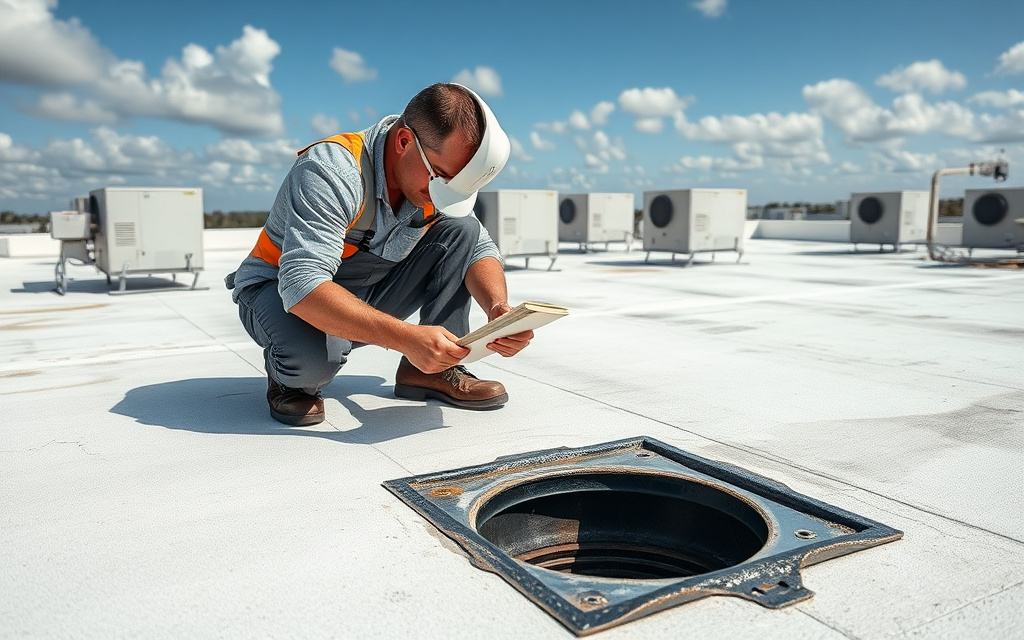
The foundation of hurricane prep is a professional inspection before the season ramps up. A roof that's already compromised — cracked sealant, loose edge metal, worn flashings — is far more likely to fail under hurricane wind and rain. A pre-season inspection identifies and corrects those vulnerabilities while there's still time.
A thorough pre-season check covers:
- Membrane and seams for cracks, blisters, shrinkage, and open welds.
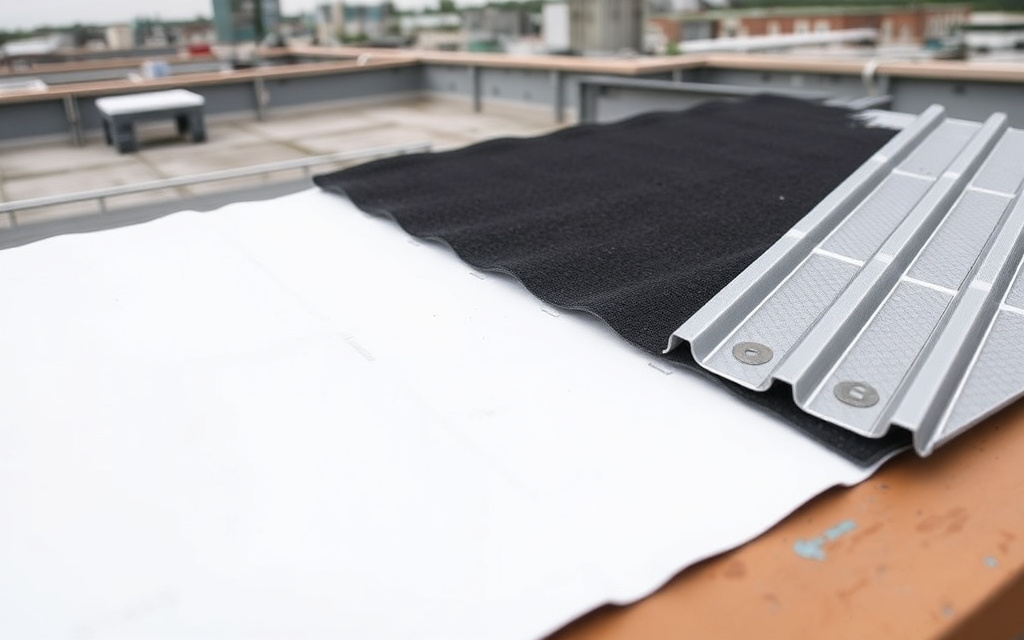
- Flashings, curbs, and penetrations — the details where wind-driven rain finds its way in.
- Edge metal and fasteners, since roof edges are where wind uplift concentrates and failures often begin.
- Rooftop equipment attachment, so HVAC units and other equipment don't become projectiles or leak points.
Fixing small issues now is dramatically cheaper than repairing the storm damage they invite.
Clear the Drainage
Florida hurricanes dump enormous volumes of water in a short time, and a flat commercial roof has to shed all of it. Clogged drains, scuppers, and gutters cause ponding water that adds crushing structural load and finds every weak point in the membrane. Before the season, make sure every drain and scupper is clear and functioning, and that the roof drains as designed. This single step prevents a huge share of storm-related roof failures.
Know Your Wind Rating
Not all roofs are equal in a hurricane. A roof engineered and installed to the current Florida Building Code wind-uplift requirements — with Miami-Dade NOA-approved products in the High-Velocity Hurricane Zones — is built to stay on the building when the loads spike. If your roof is older or you're unsure whether it meets current wind standards, a pre-season assessment can tell you where you stand and whether upgrades or a re-roof should be on your radar. Wind rating is the single most important factor in whether a roof survives a major storm.
Have a Response Plan Ready
Know who you'll call before the storm, not after. Keep your roofing contractor's emergency number handy, along with your insurance information and recent inspection documentation. Having a professional lined up for immediate post-storm response means faster stabilization and less secondary damage. We provide 24/7 storm response across Florida for exactly this reason.
The Moment the Storm Passes
Once it's safe, act quickly — the faster a damaged roof is stabilized, the less water gets into your building:
- Call for emergency tarping. If there's visible damage or active leaking, get the roof stabilized immediately to stop water intrusion. This protects the structure, interior, and contents while the rest is sorted out.
- Document everything. Photograph the damage before any cleanup if it's safe to do so. Thorough documentation is essential for an insurance claim.
- Get a professional inspection. Some storm damage isn't visible from the ground or the interior. A commercial roofer can assess the full extent and produce the written, photo-documented report your insurer's adjuster needs.
- Don't rush permanent repairs. Hold off on permanent work until the damage is documented and your adjuster has seen it — jumping ahead can complicate the claim.
We Assist With the Claim — as a Service
After a storm, we document the damage, provide the estimates your insurer needs, and work alongside your adjuster to support the claim. To be clear about our role: we're a roofing contractor, not an insurance company. We don't sell coverage, and the coverage decision rests with your insurer. What we do is make sure the damage is thoroughly documented and professionally restored, and make the process as smooth as we can while your business recovers.
Don't Wait for the Forecast
The best time to prepare your commercial roof for hurricane season is before there's a storm on the map. A pre-season inspection, clear drainage, and a verified wind rating are the difference between weathering a storm and suffering a major loss. Request a free inspection or call us — we'll make sure your roof is ready before the season is.